Understanding the Differences: Resin vs Asphalt Driveways


Introduction
Choosing the right material for your driveway is a crucial decision. Two popular options are resin and asphalt, each offering distinct advantages and drawbacks. Understanding these differences will help you make an informed choice that suits your needs and preferences.
Durability and Longevity
When it comes to durability, both resin and asphalt driveways have their merits. Asphalt driveways are known for their robustness and can last up to 20 years with proper maintenance. They are flexible, which makes them resistant to cracking in areas with extreme temperatures.
On the other hand, resin driveways provide a long-lasting, durable surface that can also last up to 25 years. Resin is UV stable, meaning it won't fade over time, maintaining its appearance longer than asphalt.
Installation Process
The installation process for each type of driveway is quite different. Asphalt driveways require a base of crushed stone, followed by layers of asphalt compacted with heavy machinery. This process can take a few days to complete and requires favorable weather conditions.
Resin driveways, however, are typically quicker to install. They involve laying a mixture of resin and aggregates directly over an existing surface or prepared base. This can often be completed in just a day, making it a more convenient option for many homeowners.
Maintenance Requirements
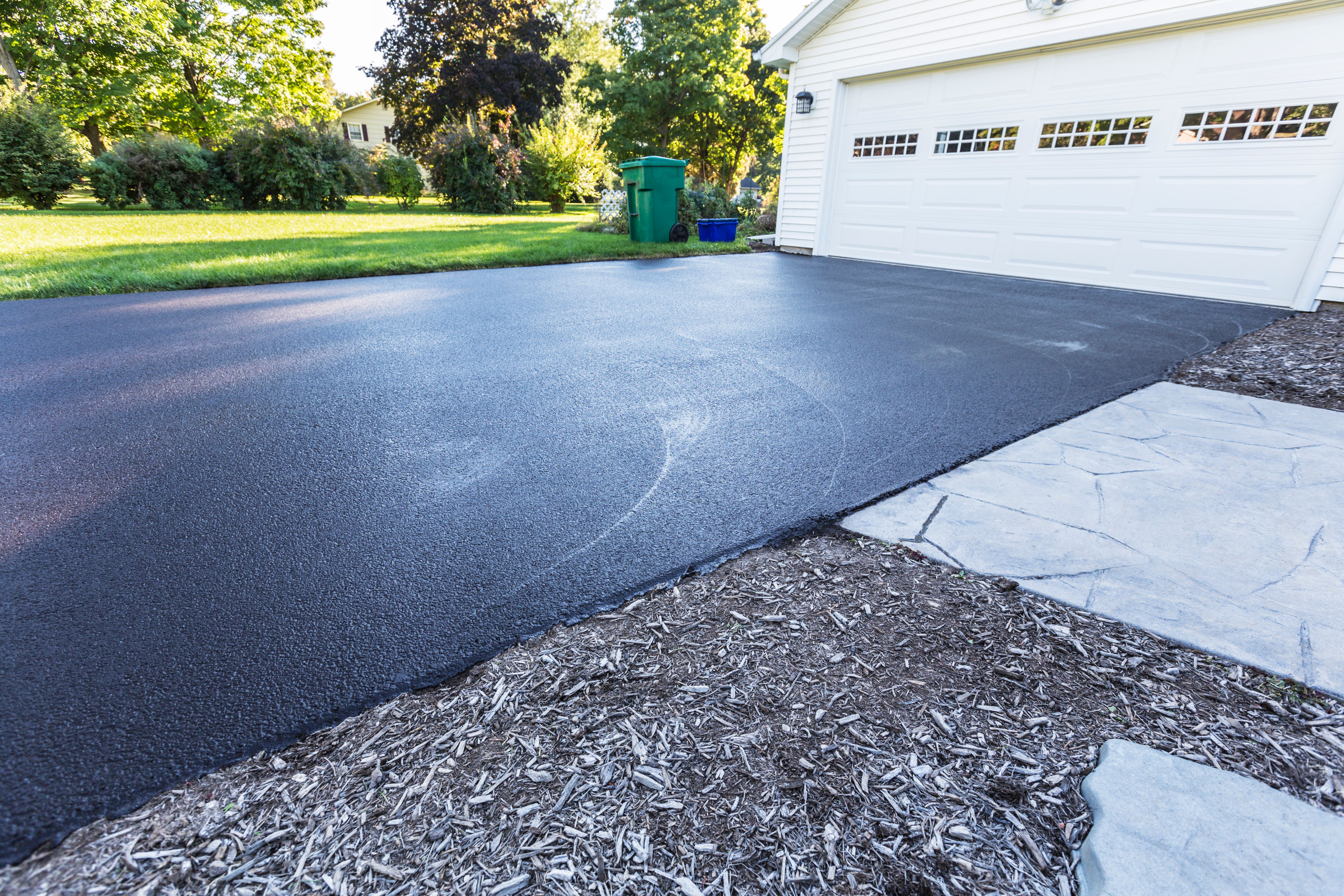
Maintenance is another important factor to consider. Asphalt driveways need regular sealing to protect against water penetration and damage from UV rays. They may also require repairs for cracks or potholes over time.
In contrast, resin driveways are low-maintenance. They are resistant to weeds, stains, and color fading, requiring only occasional cleaning to maintain their appearance.
Cost Considerations
Cost is often a determining factor for many homeowners. Generally, asphalt driveways are more budget-friendly, especially for larger areas. However, the need for periodic sealing and potential repairs can add to the overall cost in the long run.
Resin driveways tend to have a higher initial cost but offer savings over time due to their low maintenance requirements. The aesthetic appeal and customization options, such as color choices and patterns, add value to the investment.
Aesthetic Appeal
When it comes to aesthetics, resin driveways offer a wide range of colors and finishes, allowing for a personalized and attractive look. They blend well with landscaping and can enhance curb appeal.
Asphalt driveways provide a more traditional look, often in a dark, smooth finish. While they may lack the variety of resin, they offer a classic appearance that suits many homes.
Conclusion
Both resin and asphalt driveways come with their unique benefits and considerations. Your choice will depend on your priorities, whether they are durability, cost, maintenance, or aesthetics. By understanding these differences, you can select the driveway material that best aligns with your needs and enhances your property's value.