Comparing Resin vs. Asphalt Driveways: Which is Right for Your Hampshire Home?


When considering a new driveway for your Hampshire home, choosing between resin and asphalt can be challenging. Both materials have their unique advantages and potential drawbacks, which can affect your decision. This guide aims to provide a comprehensive comparison to help you determine which option aligns best with your needs.
Durability and Longevity
One of the most critical factors to consider is how long your driveway will last. Resin driveways are known for their resilience and flexibility, making them resistant to cracking. Typically, a well-maintained resin driveway can last up to 25 years.
On the other hand, asphalt driveways are also durable and can last around 15-20 years with proper maintenance. However, they may require more frequent repairs due to potential cracking from temperature fluctuations.
Installation and Maintenance
The installation process differs significantly between the two materials. Resin driveways can often be installed over existing surfaces, reducing the time and cost of installation. They are also relatively low maintenance, requiring occasional cleaning to maintain their appearance.
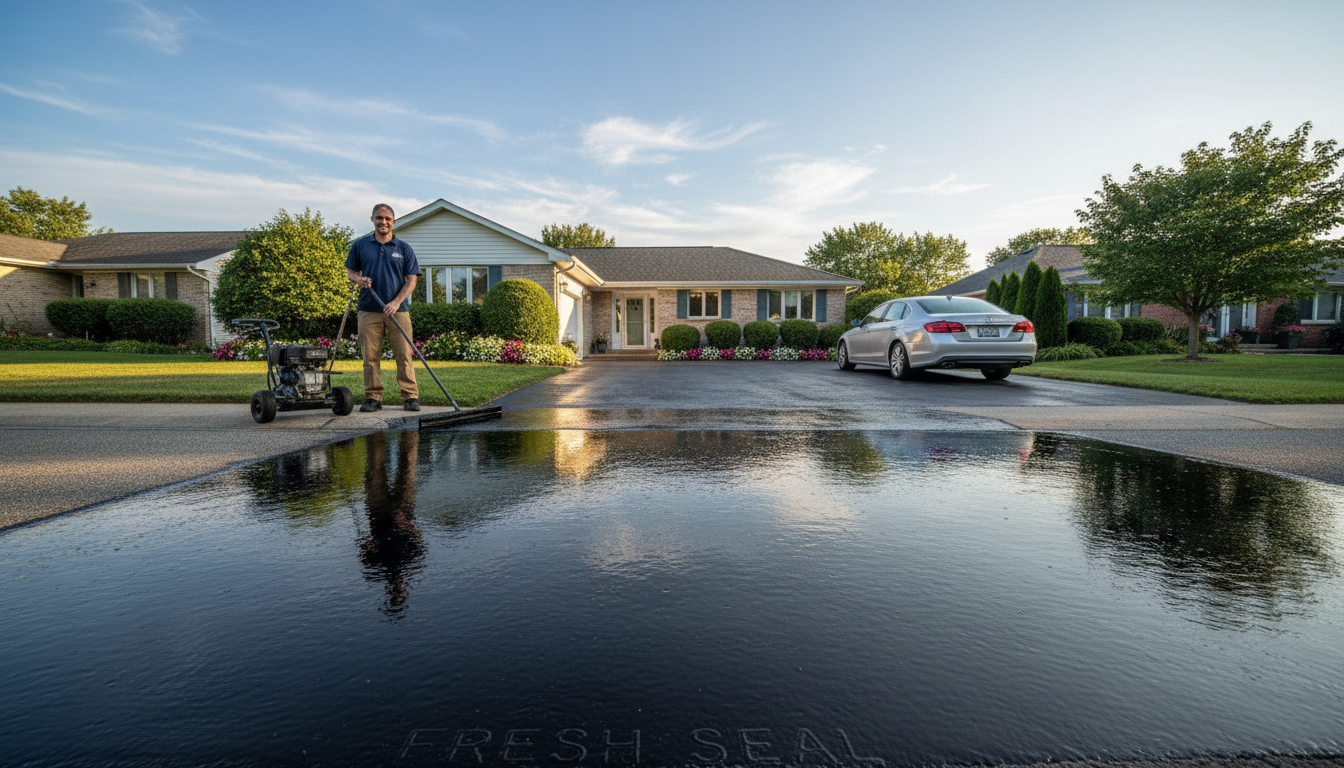
Asphalt driveways, while quicker to install, may require more maintenance over time. This includes sealing every few years to maintain their appearance and prevent damage from water and sunlight.
Cost Considerations
Cost is another crucial factor for homeowners. Resin driveways tend to be more expensive initially due to the cost of materials and installation. However, their durability and low maintenance can make them a cost-effective option in the long run.
In contrast, asphalt driveways generally have a lower upfront cost, making them an attractive option for those on a budget. Yet, the additional maintenance expenses can add up over time.
Aesthetic Appeal
When it comes to aesthetics, resin driveways offer a wide range of colors and finishes, allowing for a high degree of customization. This makes them ideal for homeowners looking to enhance their property's curb appeal.
Asphalt driveways, while more limited in color options, provide a classic and clean look that complements many home styles. They may not offer the same level of customization as resin but can still create a polished appearance.
Environmental Impact
Environmental considerations are becoming increasingly important for many homeowners. Resin driveways are often more eco-friendly as they allow water to permeate through, reducing runoff and promoting natural drainage.
Asphalt driveways, though recyclable, can contribute to heat island effects in urban areas and may require petroleum-based materials, which are less environmentally friendly.
Conclusion: Making Your Decision
Choosing between resin and asphalt driveways depends on various factors, including your budget, aesthetic preferences, and environmental considerations. For those who prioritize durability and customization, a resin driveway may be the best choice. Meanwhile, if you're looking for a cost-effective and straightforward option, asphalt might be more suitable.
Ultimately, the decision will come down to what you value most in a driveway. By weighing the pros and cons of each material, you can make an informed choice that enhances the beauty and functionality of your Hampshire home.