Comparing Resin Bound vs. Traditional Driveways: Pros and Cons


Understanding Resin Bound Driveways
Resin bound driveways have gained popularity due to their modern appearance and durable nature. Made by mixing aggregate stones with a clear resin, the result is a smooth and permeable surface. This type of driveway offers a stylish alternative to traditional options and is available in a variety of colors and textures. The smooth finish not only enhances curb appeal but also minimizes weed growth.
One of the key benefits of resin bound surfaces is their permeability. This allows water to drain through the surface, reducing the risk of flooding and puddles. Furthermore, the maintenance required is minimal, as the surface is resistant to cracking and fading.
Exploring Traditional Driveways
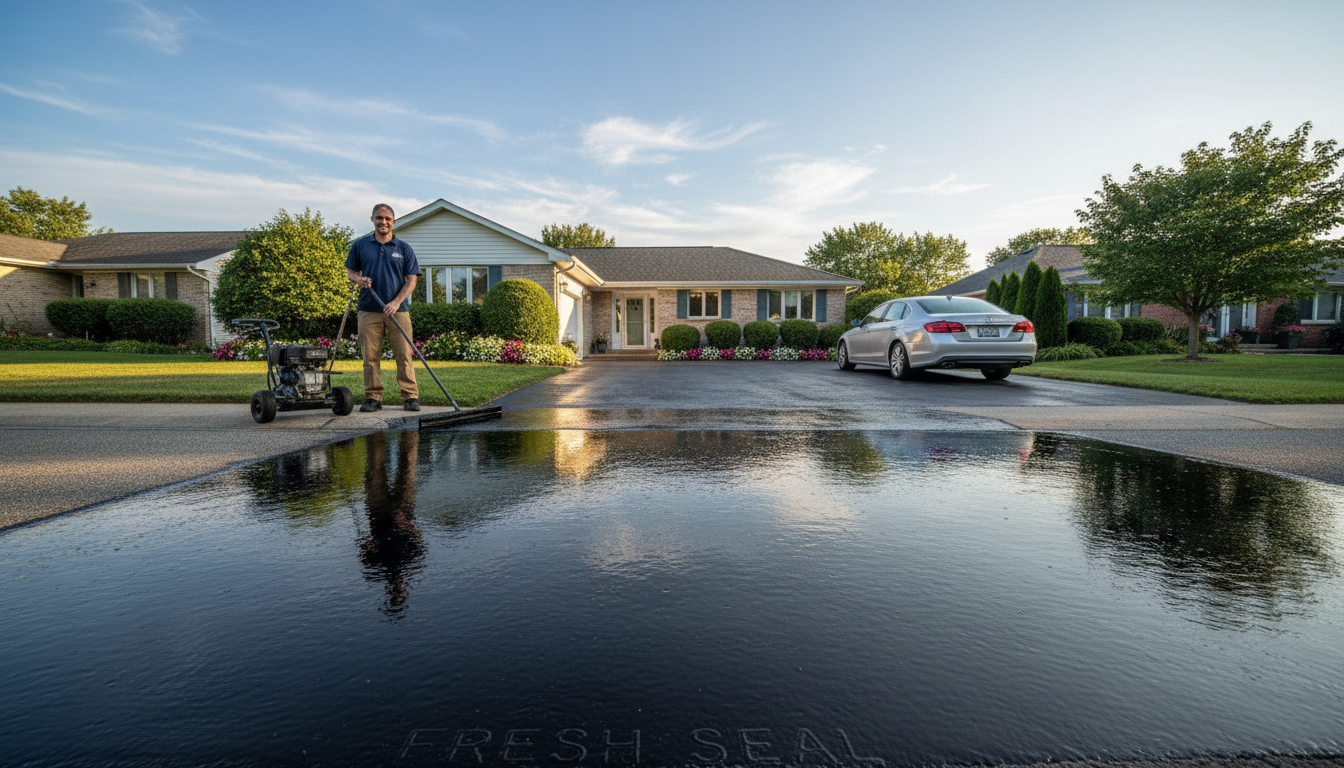
Traditional driveways, such as those made from gravel, concrete, or asphalt, have been a long-standing choice for homeowners. Each material offers its own set of advantages. For example, gravel driveways are cost-effective and provide excellent drainage, while concrete offers a durable, low-maintenance option.
However, traditional driveways do have their drawbacks. Gravel can scatter and require regular upkeep, concrete may crack over time, and asphalt can suffer from weather damage. These factors can lead to ongoing maintenance and repair costs, potentially increasing the overall expense over time.
Comparing Costs
When considering the financial aspect, resin bound driveways may have a higher initial cost compared to some traditional materials. However, their low maintenance requirements can make them more cost-effective in the long run. It's important to weigh the upfront investment against potential savings in repairs and upkeep.
Traditional driveways often come with lower initial costs, especially when opting for gravel or basic asphalt. However, the frequent need for repairs and maintenance might offset these savings over time. Homeowners should consider both short-term and long-term costs when making a decision.
Installation and Longevity
The installation process for resin bound driveways involves laying the resin mixture onto a solid base, ensuring a smooth finish. This method is generally quicker and less disruptive than some traditional options, which may require more extensive groundwork.
In terms of longevity, resin bound surfaces can last for many years without significant wear and tear, provided they are properly installed. On the other hand, traditional driveways might require periodic attention to maintain their appearance and functionality, particularly in harsh weather conditions.
Sustainability and Environmental Impact
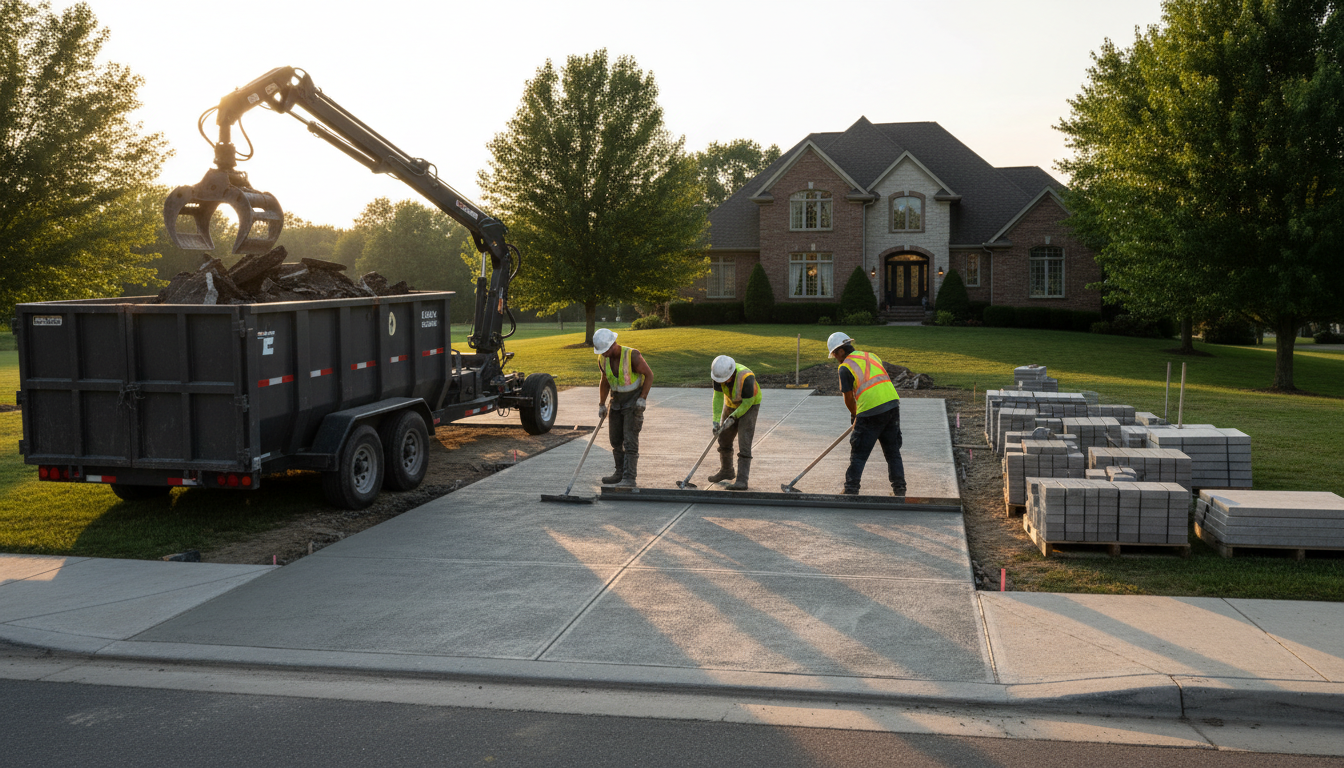
Resin bound driveways are often praised for their environmental benefits. The permeability of the surface reduces water runoff, aiding in sustainable drainage systems. Additionally, many resin products are made from recycled materials, contributing to eco-friendly construction practices.
Traditional driveways may not offer the same level of environmental benefits. Concrete and asphalt, for example, are less permeable and can contribute to water runoff issues. However, with proper planning and the use of sustainable materials, traditional driveways can also be part of an eco-conscious approach.
Conclusion
Choosing between a resin bound and a traditional driveway depends on various factors, including budget, aesthetics, and environmental considerations. Resin bound driveways offer a modern, low-maintenance option with excellent drainage capabilities. In contrast, traditional driveways provide a range of materials and cost-effective choices, though they may require more upkeep.
Ultimately, the decision should align with your personal preferences and practical needs. Consider consulting with a professional to assess your specific situation and make an informed choice that enhances your property's appeal and functionality.