Comparing Resin Bound and Asphalt Driveways: Which is Best for You?


Introduction
When it comes to upgrading your driveway, you have several options to consider. Among the most popular are resin bound and asphalt driveways. Both materials offer distinct advantages and can greatly enhance the curb appeal of your home. But which one is best for you? This post will delve into the characteristics, benefits, and considerations for each type of driveway.
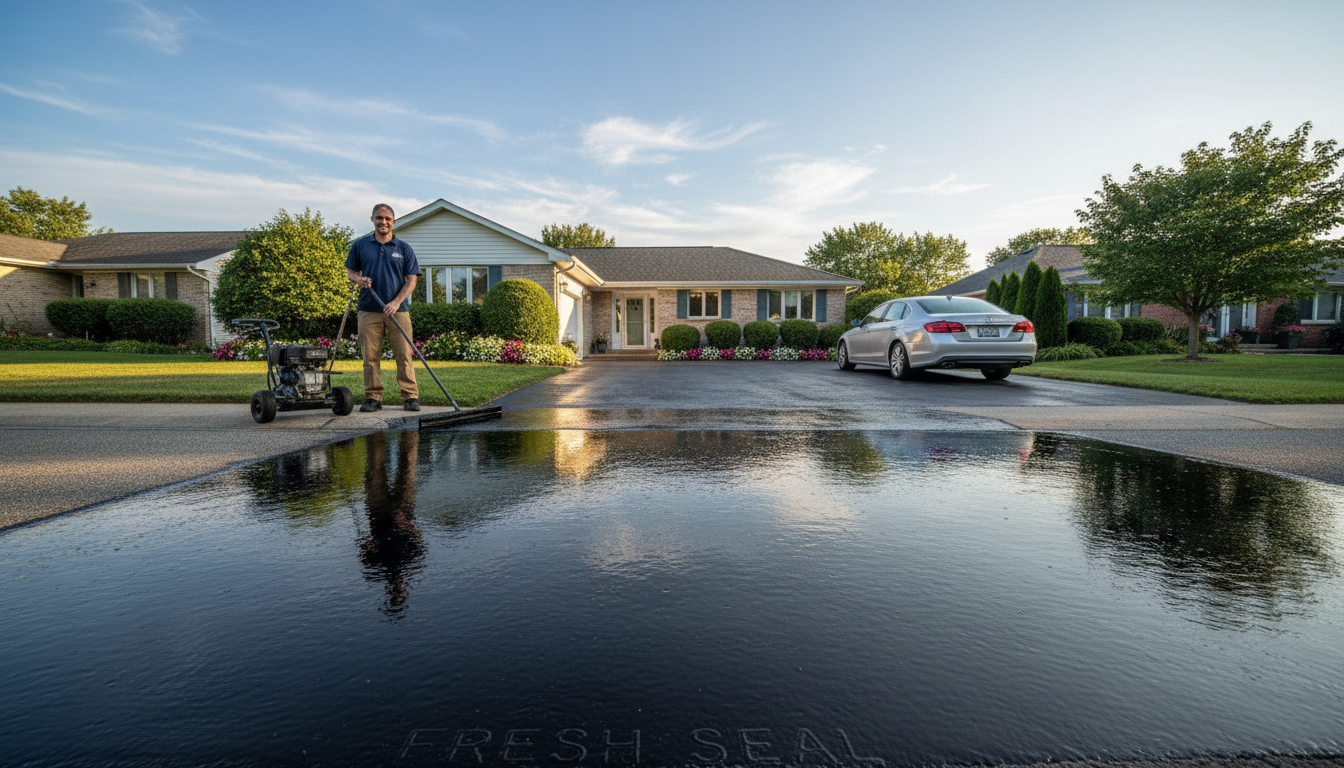
Understanding Resin Bound Driveways
Resin bound driveways are made by mixing aggregate stones with a clear resin, creating a smooth and decorative finish. This type of surface is known for its permeability, allowing water to drain through, which reduces the risk of puddles and flooding.
Advantages of Resin Bound Driveways
The aesthetic versatility of resin bound driveways is one of their greatest strengths. They come in a wide range of colors and textures, allowing for personalized designs that can complement any home style. Additionally, they are low maintenance and resistant to cracking, ensuring longevity.
Exploring Asphalt Driveways
Asphalt driveways, on the other hand, are created using a mixture of crushed stone and bitumen. Known for their durability and resilience, asphalt is a tried-and-true material that has been used for many years in both residential and commercial settings.
Benefits of Asphalt Driveways
One of the primary benefits of asphalt driveways is their cost-effectiveness. They are generally less expensive to install compared to resin bound alternatives. Furthermore, asphalt driveways are known for their strength and ability to withstand heavy loads, making them ideal for families with multiple vehicles.
Comparing Maintenance and Durability
Both resin bound and asphalt driveways offer durability, but their maintenance requirements differ. Resin bound surfaces need minimal upkeep, usually just occasional cleaning to remove debris. In contrast, asphalt driveways may require periodic resealing to maintain their appearance and functionality.
Environmental Considerations
Environmental impact is another factor to consider. Resin bound driveways are eco-friendly due to their permeability, which supports natural drainage and reduces water runoff. Asphalt, while not as permeable, can be recycled, offering a sustainable option if sourced responsibly.
Making the Right Choice for Your Home
Your decision between resin bound and asphalt driveways should consider factors such as budget, aesthetic preference, and environmental impact. Assess your priorities and evaluate how each option aligns with your lifestyle and home design.
Ultimately, both resin bound and asphalt driveways can enhance your property's curb appeal and functionality. By understanding the unique benefits of each, you can make a well-informed decision that meets your needs and preferences.