A Comparison of Tarmac vs. Resin Driveways: Which is Best for Your Home?


Introduction to Tarmac and Resin Driveways
Choosing the right material for your driveway can significantly impact your home's curb appeal and functionality. Two popular choices among homeowners are tarmac and resin. Both have their advantages and drawbacks, and understanding these can help you make an informed decision.

Durability and Longevity
Tarmac Driveways
Tarmac, also known as asphalt, is known for its durability. It can withstand heavy loads and frequent use, making it a popular choice for busy households. With proper maintenance, a tarmac driveway can last up to 20 years.
Resin Driveways
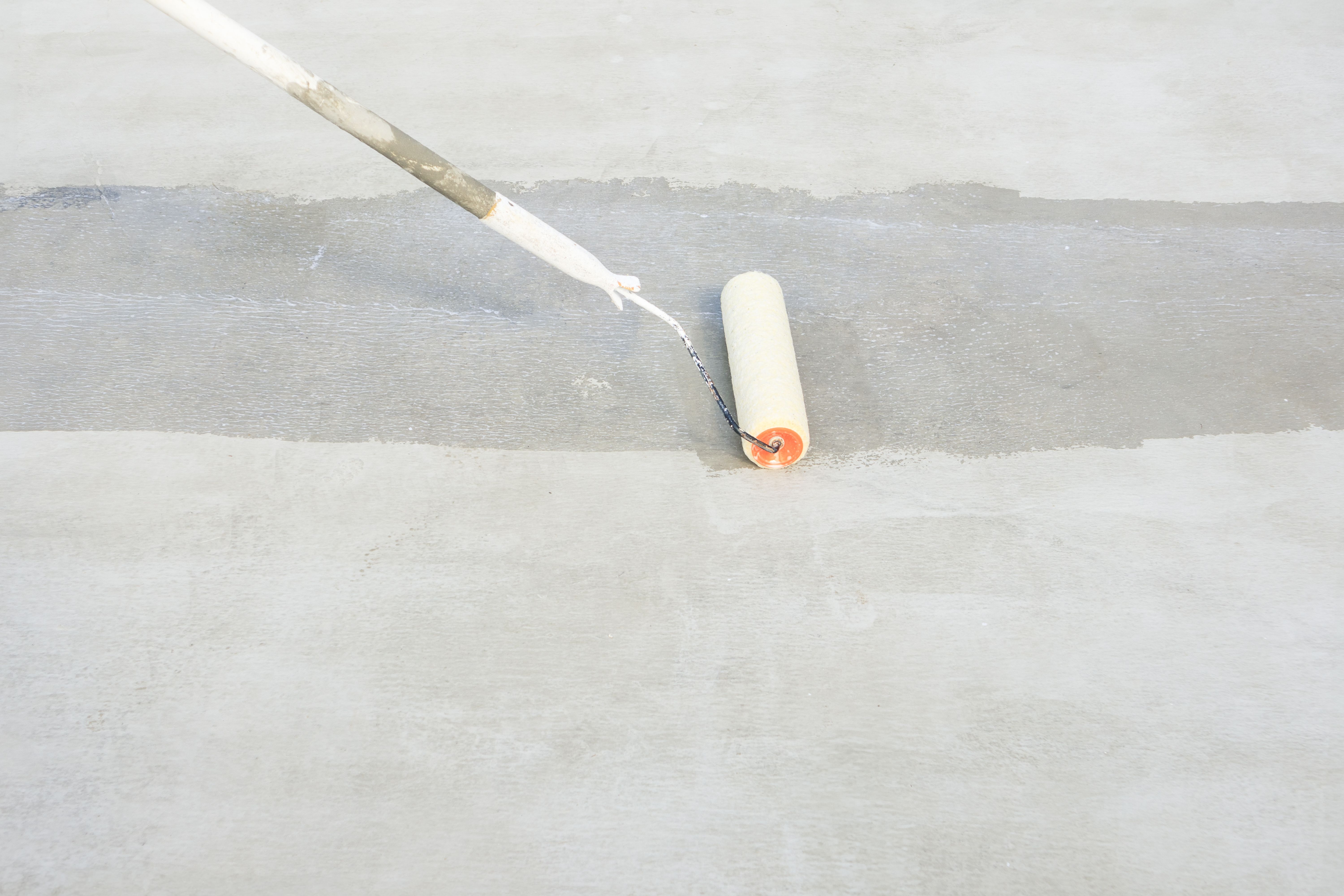
Resin driveways are also durable but in a different way. They are resistant to cracking and can adapt to minor movements in the ground. Resin is also UV stable, meaning it won’t fade under sunlight, keeping your driveway looking fresh for years.
Aesthetic Appeal
Tarmac Driveways
While tarmac driveways offer a classic and straightforward look, they may not provide the same level of aesthetic appeal as resin. The uniform dark surface can be limiting if you're looking to add more character to your home's exterior.
Resin Driveways
Resin driveways offer versatility in design. Available in a variety of colors and textures, they can be customized to match the style of your home. This flexibility can significantly enhance your property’s aesthetic appeal.

Installation and Maintenance
Tarmac Driveways
Installing a tarmac driveway is generally quicker and can be more cost-effective upfront. However, it does require regular maintenance, such as resealing every few years, to keep it in good condition.
Resin Driveways
Resin driveways might take longer to install and can be more expensive initially. However, they require less maintenance compared to tarmac, making them a convenient choice for those who prefer a low-maintenance option.
Environmental Impact
If environmental concerns are important to you, it's worth noting that resin driveways are often more eco-friendly. The porous nature of resin allows water to drain naturally, reducing surface runoff and promoting groundwater replenishment.
Cost Considerations
The cost of a driveway can vary depending on several factors, including the size of the area and the specific materials used. Generally, tarmac driveways tend to be cheaper to install but may incur higher maintenance costs over time. Resin driveways, while more expensive initially, may save you money in the long run due to lower maintenance needs.
Conclusion
Both tarmac and resin driveways offer unique benefits and potential drawbacks. Your choice will largely depend on your budget, maintenance preferences, and desired aesthetic. By weighing these factors, you can choose the driveway that best suits your home and lifestyle.